
AI Influencer: la Nuova Era della Comunicazione Digitale è già iniziata
An unexpected presence
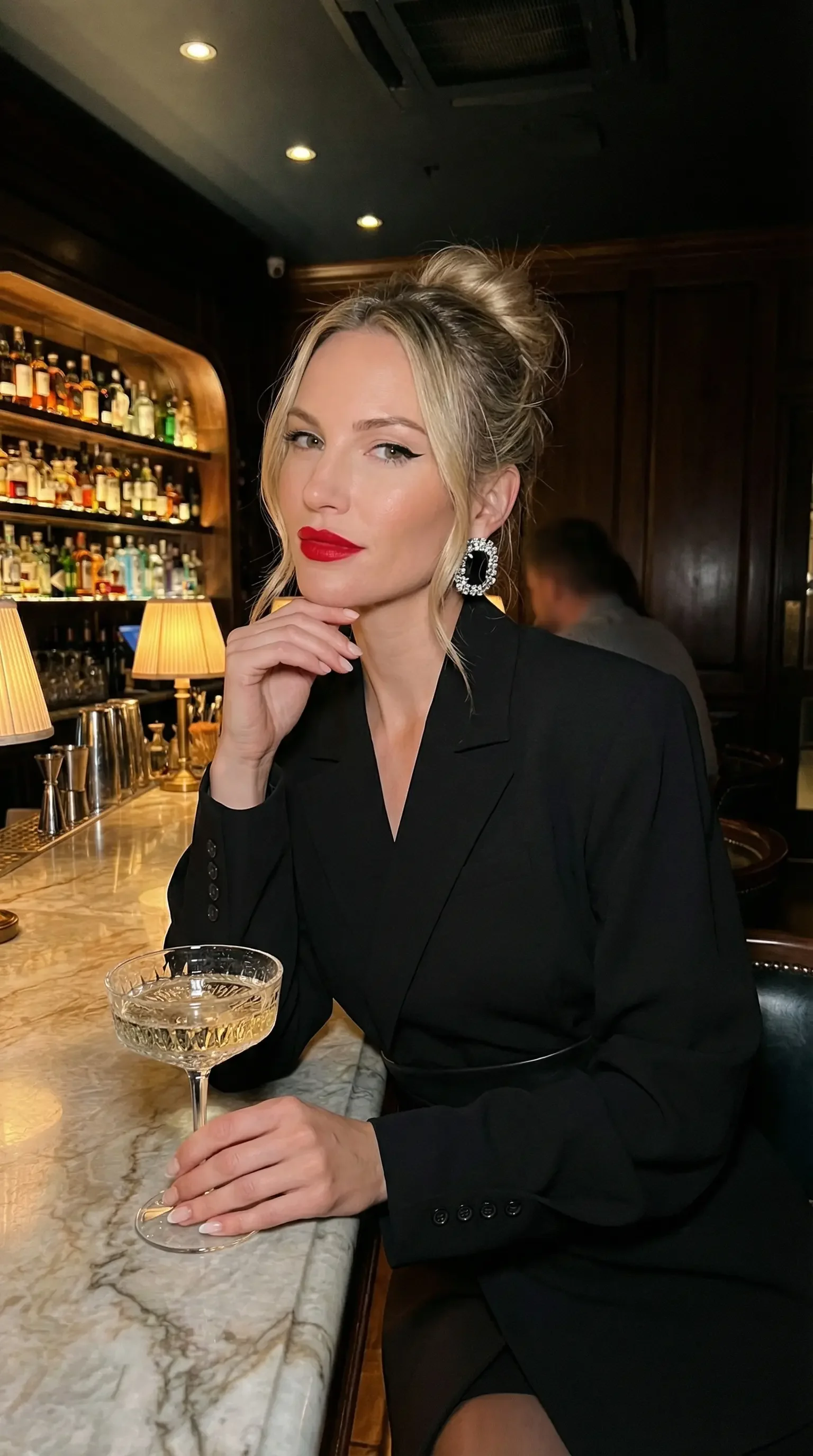
As you scroll through your Instagram feed, you pause on a photo. A blonde woman in a red dress in the lobby of a luxury hotel in London. Then another image: the same woman, wearing a light-colored fur coat, in front of the Chanel boutique on a cobblestone street. Then another: skis slung over her shoulders on a snow-covered slope, dinner in Paris with the Eiffel Tower in the background, breakfast in a bathrobe in a dreamy suite.
The feed is flawless. The photo quality is on par with a high-end editorial campaign. The personality is well-defined, consistent, and aspirational. Outfit inspiration and luxury travel, as stated in the bio: Mayfair, London.
Her name is Charlotte Kingswell. Her Instagram handle is @charlie.kwell. She already has over a thousand real followers, a growing community, and an instantly recognizable style.
She doesn't physically exist. Charlotte Kingswell is an AI influencer—a virtual character created entirely by AI Fashion Company at our digital atelier in Florence.
The Dawn of a New Era
AI influencers are not entirely new on the global scene. The first virtual characters appeared on social media around 2016, garnering international attention and partnerships with some of the most iconic brands in the fashion and luxury worlds. But in recent years, something has changed substantially: the visual quality achievable with artificial intelligence has become indistinguishable from professional photography, and brands have begun to truly understand the strategic value of this tool.
Today, AI influencers are a well-established part of global digital marketing. They are not a creative novelty or a niche experiment: they are a structured communication tool with a clear business rationale and tangible competitive advantages for brands that choose to adopt them.
In Italy, this trend is still in its infancy. And for brands that are able to act early, this represents a huge competitive advantage.
Why do people connect with something that doesn't exist?
The question everyone asks themselves the first time they hear about AI influencers is this: How is it possible for people to follow, become attached to, and trust a character they know is artificial?
The answer is simpler than it seems, and it reveals something important about how digital communication really works.
Even today, the relationship we have with the influencers we follow is mediated. We don’t really know the people who populate our feeds: we know the version of themselves they choose to show, curated and filtered through a deliberate editorial strategy. The psychological distance between a human influencer and a virtual one is much more subtle than intuition would suggest.
What fosters connection, trust, and desire is the narrative coherence, visual quality, and cultural relevance of the message being conveyed. A well-designed AI influencer offers all of this in a systematic way: not because of personal talent or luck, but by design.
Charlotte Kingswell proves this in practice. Her feed accurately captures a specific world—contemporary luxury, aspirational fashion, travel in Europe, London life—that resonates with a specific audience and generates genuine engagement, post after post.
Charlie Kwell: The Case in Question
Charlotte Kingswell — @charlie.kwell on Instagram — is the luxury and lifestyle AI influencer created by AI Fashion Company. Based in Mayfair, one of London’s most exclusive neighborhoods, Charlotte showcases a world of sophisticated outfits, stays at luxury hotels, trips to European capitals, dinners at the finest restaurants, and stylish moments in everyday City life.
The feed showcases a distinct visual style: all-black looks for evenings in London, evening gowns for special occasions, sporty-chic outfits for weeks on the slopes, and casual-chic outfits for strolls through Paris. Each image is a chapter in a cohesive story, crafted with the same care as a professional photo editorial.
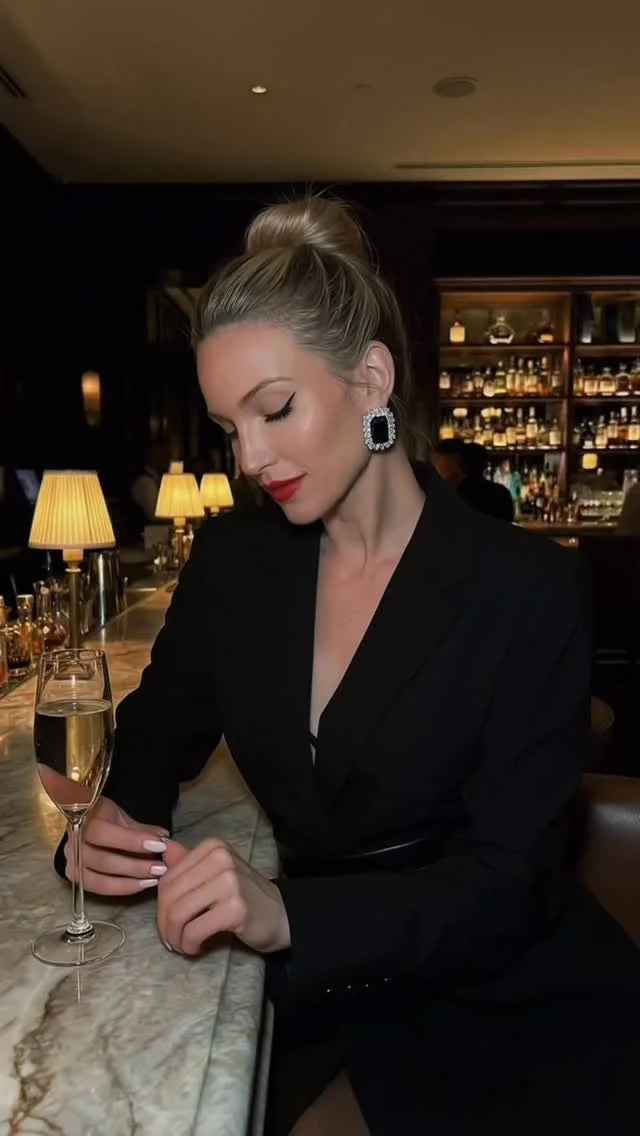
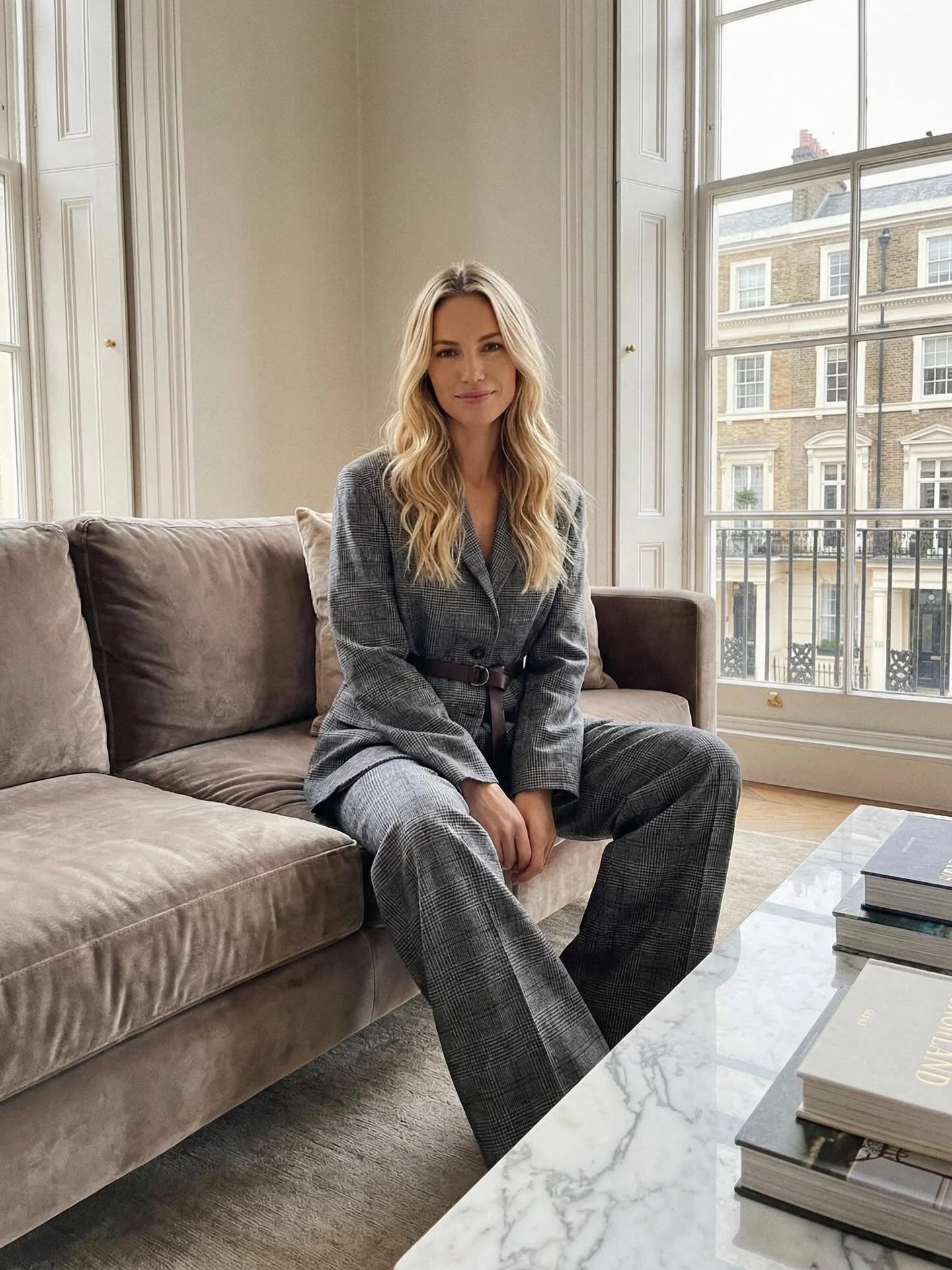
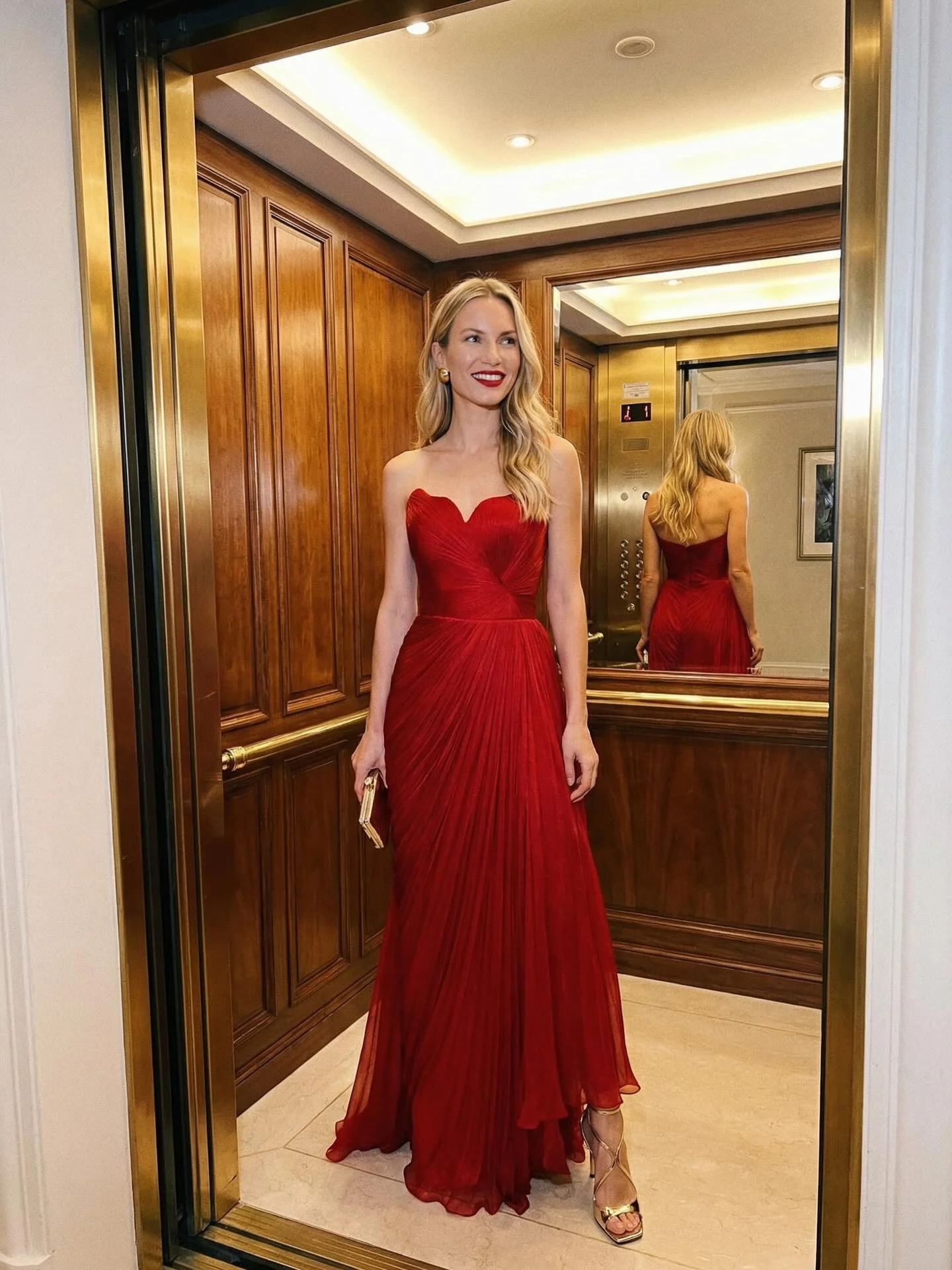
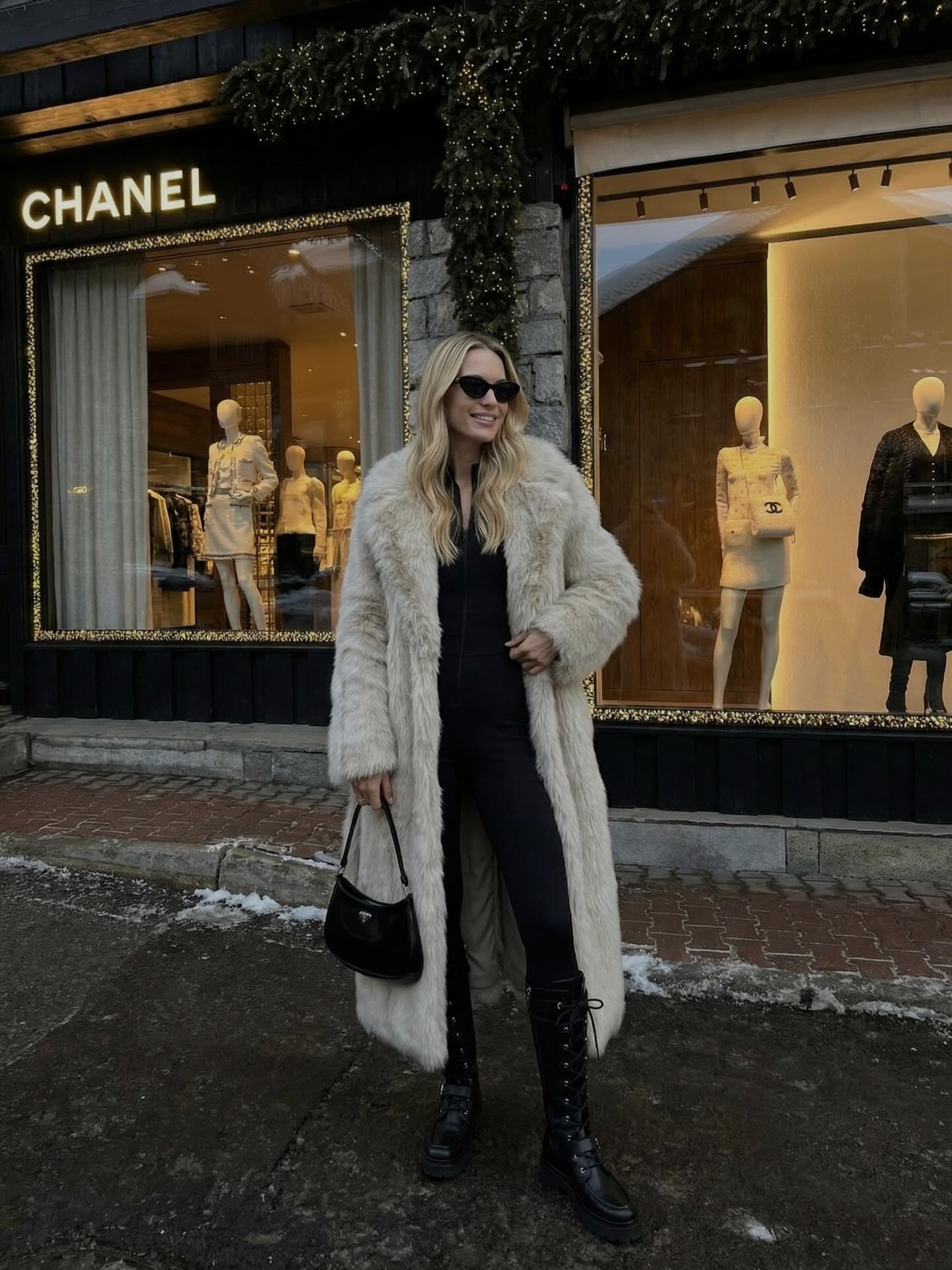
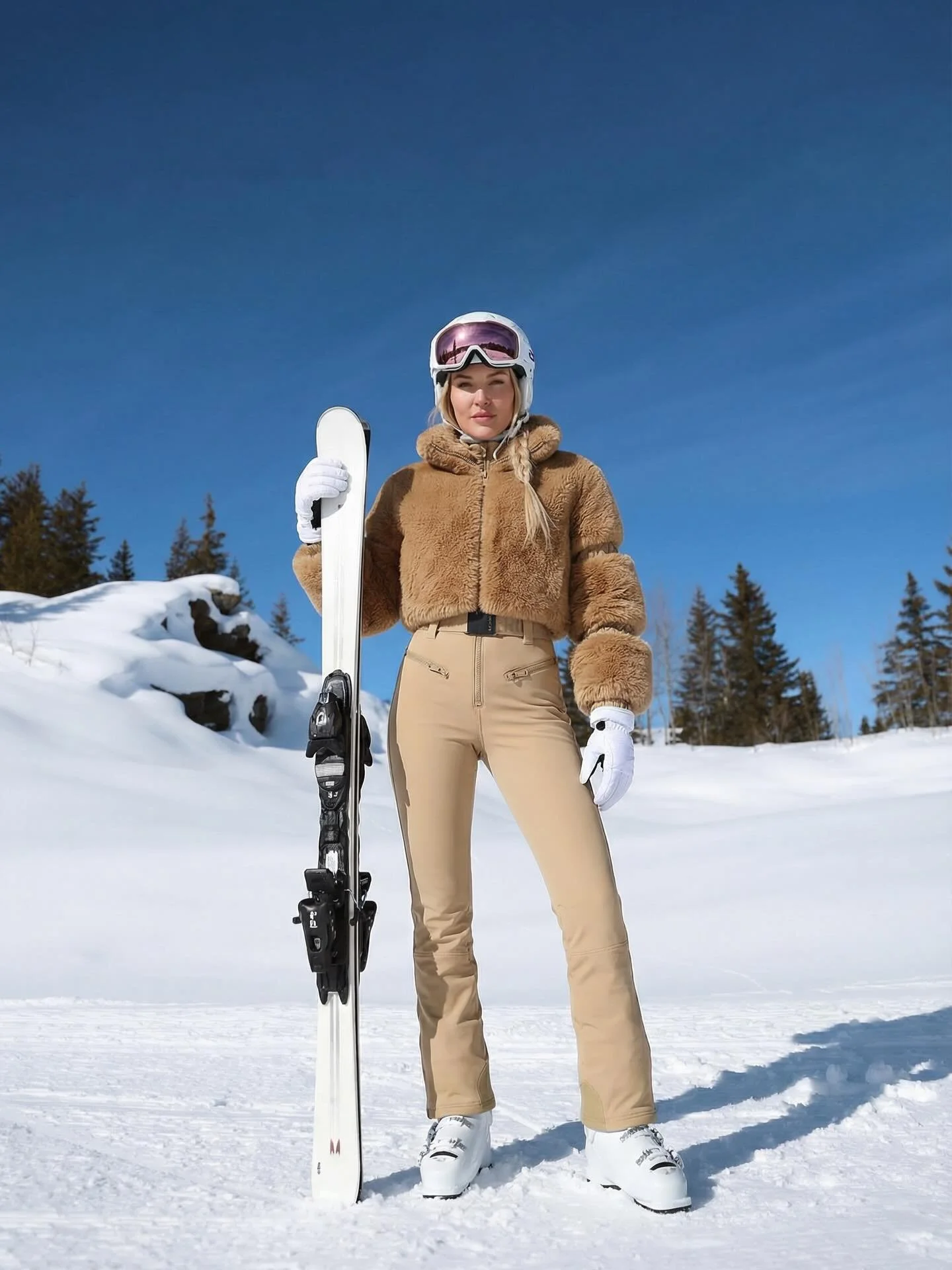


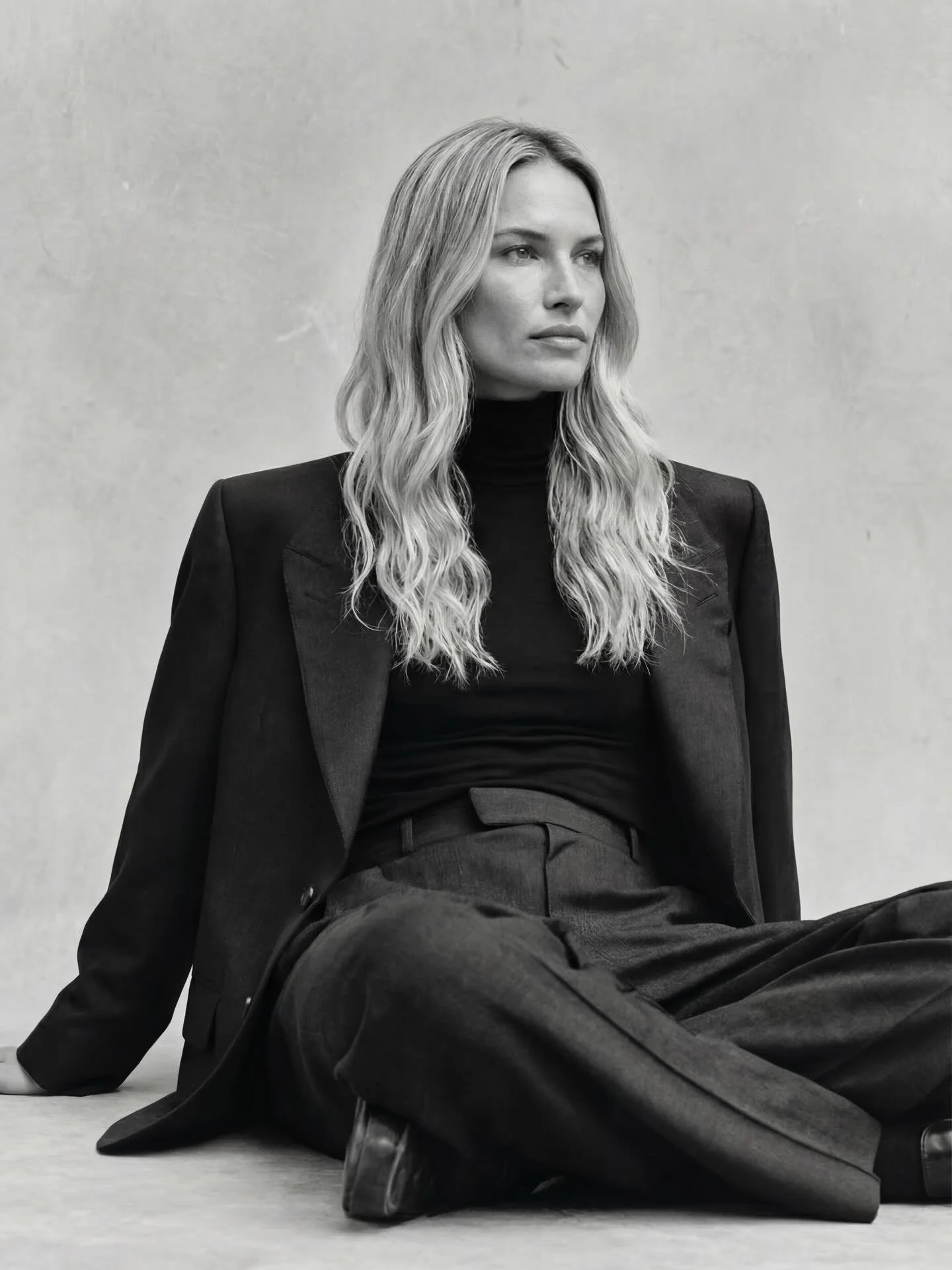
In just a few months of activity, the profile has surpassed 1,000 real followers and continues to grow organically, without advertising. This result confirms the strength of the personality and the quality of the editorial strategy built around him.
Charlie Kwell isn't just a creative experiment. It's practical proof—verifiable, public, and ongoing—that AI Fashion Company knows how to create effective AI influencers: digital characters with a real social media presence, an active community, and the potential for collaborations with brands across various industries.
What Can an AI Influencer Do for a Brand?
Total visual and narrative coherence
Every piece of content published by an AI influencer can be planned, reviewed, and approved before going live. There are no surprises, no fluctuations in quality, and no unscripted behavior. The brand has complete control over every aspect of the communication: from the tone of voice to the visual aesthetic, from the values conveyed to the cultural associations evoked.
For brands operating in markets where positioning is everything—luxury, premium beauty, fashion, and high-end hospitality—this characteristic is extraordinarily valuable.
Zero reputational risk
Collaborations with human influencers carry an inherent risk that companies are well aware of: the influencer may become embroiled in public controversies, may change their values or stance, or may no longer align with the brand’s identity. These events—which are, by definition, unpredictable—can have immediate and significant consequences for ongoing campaigns.
With an AI influencer, this risk category simply doesn't exist. The character's personality and behavior are defined and maintained by the team that manages it. No surprises, no crises to handle.
International scalability
An AI influencer can be tailored to different markets, post in multiple languages, and be associated with locations and cultural contexts around the world—without having to organize international photo shoots or coordinate crews across different time zones. For brands with global ambitions or a presence in multiple markets, this means unprecedented operational flexibility.
Full Ownership of the Content
All content produced with an AI influencer belongs entirely to the commissioning brand. There are no image rights to negotiate, no time-limited usage licenses, and no restrictions on the use of the materials over time. An asset created today retains its value even five years from now, without the need for renegotiation.
Cost-Optimized Continuous Production
Maintaining an AI influencer—with a high posting frequency and consistent visual quality—is significantly less expensive than collaborating with a human influencer of equivalent standing. This allows brands to maintain a continuous editorial presence on strategic channels with predictable and optimized budgets.
In which industries do AI influencers work best?
AI influencers deliver the best results across all verticals where visual aesthetics play a decisive role in creating desire and influencing purchasing decisions:
Fashion and Clothing — outfit inspiration, new collection launches, capsule collaborations, lifestyle content.
Luxury and accessories —handbags, jewelry, watches, perfumes: categories where the aspirational context is just as important as the product itself.
Hospitality and travel —hotels, destinations, travel experiences: the sector in which Charlotte Kingswell excels.
Beauty and skincare — routines, product placement, and editorial content that require visual consistency and a constant presence.
Fitness and wellness — aspirational lifestyle, activewear, supplements: a rapidly growing vertical for virtual influencers.
Premium food and beverage — restaurants, wines, and culinary experiences combined with a sophisticated aesthetic.
How AI Fashion Company Builds an AI Influencer
The process that led to the creation of Charlotte Kingswell—and which AI Fashion Company uses to build custom AI influencers for brands and agencies—consists of specific steps.
We always start by defining the character: who they are, where they come from, what they represent, and who they’re aimed at. It’s not about creating images of a virtual person; it’s about building a complete narrative identity—with a backstory, a personality, a value system, and a visual aesthetic—that is internally consistent and culturally relevant to the target audience.
Next comes the creation of the initial feed: a portfolio of content that establishes the character’s visual identity and lays the groundwork for organic growth. Each image is produced with the same care as a professional editorial photoshoot: artistic direction, location selection, outfit styling, lighting, and post-production.
Finally, editorial management is an ongoing process: the content calendar, the engagement strategy, the character’s narrative evolution over time, and collaborations with third-party brands. An AI influencer is not a static asset—it is a living character that grows, evolves, and builds an authentic relationship with its community.
The Future Is Already Here
Charlotte Kingswell has been on Instagram for just a few months. She already has over a thousand real followers. She already has a distinct and recognizable aesthetic. She has already proven that an AI influencer focused on luxury and lifestyle can build a credible, consistent presence capable of generating genuine engagement with a real audience.
This is just the beginning. AI influencers are about to become a standard tool in the toolkit of brand managers and marketing directors around the world. Brands that start exploring this opportunity today will have a significant advantage over those who wait for the phenomenon to become mainstream.
AI Fashion Company is already capable of building this type of online presence for brands, agencies, and companies looking to innovate their digital communication. From character creation to ongoing editorial management, from optimization for various social media channels to content production for specific campaigns.
If you want to understand what an AI influencer could do for your brand, we're here to listen.
Leggi anche: Digital model e AI model: come funzionano · Fashion marketing con intelligenza artificiale · Crea la modella AI del tuo brand
Edited by Alicia Sabatino, Creative Director of AI Fashion Company
