
AI in Fashion: How Artificial Intelligence Is Revolutionizing Fashion Campaigns
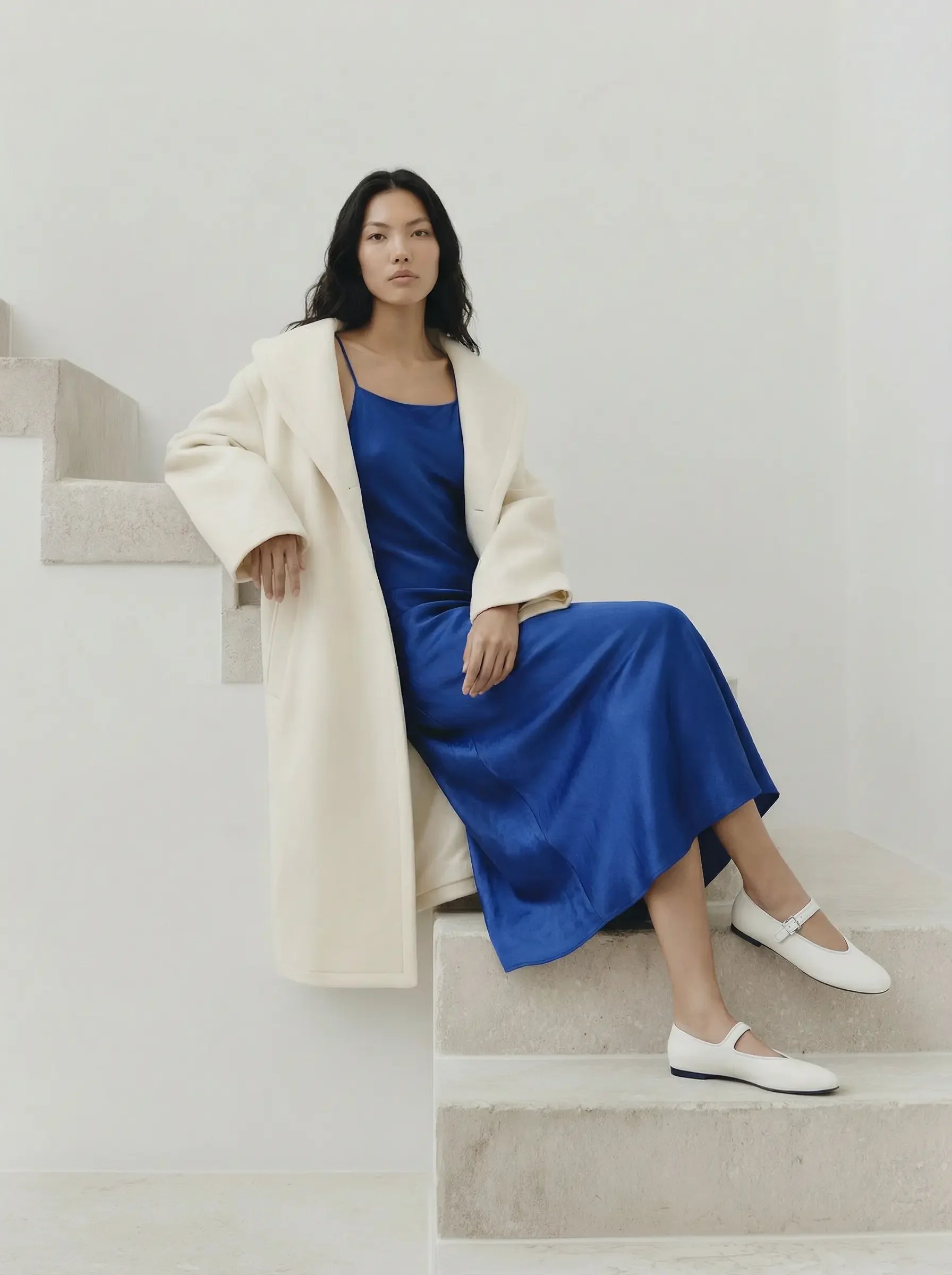
A quiet but profound transformation
Artificial Intelligence in fashion is no longer a futuristic experiment reserved for a handful of industry giants. It is a concrete and accessible reality that is redefining the way brands of all sizes produce campaigns, photo shoots, lookbooks, and digital content. From major international brands to independent Florentine designers, no one can afford to ignore this transformation.
In recent years, the growing sophistication of generative AI technologies has opened up possibilities that were once unthinkable: virtual models indistinguishable from reality, photographic scenes created entirely digitally, and fashion films produced without a single physical shot. What was science fiction just a few years ago is now accessible with relatively modest investments.
How AI Is Changing the Production of Fashion Campaigns
The End of the Photo Shoot as the Sole Production Model
For decades, fashion content production has revolved around photo shoots: a linear and costly process that required the physical presence of models, a photographer, a stylist, a location, and a crew. This production model had numerous limitations: high costs, long lead times, dependence on external variables (weather, model availability, logistical setbacks), and difficulty scaling.
Generative AI has broken this linearity. Today, it is possible to produce editorial-quality images without physical sets, without casting, and without the logistical complexities of a traditional photo shoot. The process is more agile, more predictable, and much more scalable.
Virtual Models and Brand Identity
One of the most significant applications of AI in fashion is the creation of personalized virtual models for each brand. These AI models can be designed to perfectly embody the brand’s aesthetic and values, ensuring visual consistency in every future campaign. The virtual model becomes a true brand asset—exclusive and always available.
Unbelievable locations and visionary storytelling
With AI, it’s possible to set collections in scenarios that don’t exist in the physical world: dreamlike architecture, extraterrestrial landscapes, and fusions of different historical eras. This opens up extraordinary creative possibilities for brands that want to convey a strong and distinctive vision, going beyond the limits of traditional photography.
The Impact on Digital Fashion Marketing
Digital marketing in the fashion industry requires a constant and diverse flow of content: daily social media posts, product images for e-commerce, advertising banners, newsletters, and materials for buyers and the press. Producing all of this using traditional methods requires enormous investments and large teams.
AI enables a dramatic scaling up of content production while maintaining aesthetic consistency and reducing costs per image. This is particularly relevant for brands that manage extensive catalogs or operate in multiple markets with different localization requirements.
Furthermore, the speed of AI-driven content production allows for greater responsiveness to trends: when a trend emerges on social media, the brand can produce relevant content within hours, not weeks. In an industry where speed can mean the difference between being relevant and being out of touch, this is a key competitive advantage.
AI in Fashion: Opportunities and Responsibilities
Like any powerful technology, AI in fashion also raises important questions. What does this mean for traditional models? How is the photographer’s role changing? What are the ethical implications of using artificial images in commercial communication?
AI Fashion Company addresses these questions with transparency. Our position is clear: AI does not replace human creativity; it amplifies it. Artistic direction, strategic vision, and aesthetic sensibility remain irreplaceable human skills. AI is a tool—a very powerful one—that allows these skills to be expressed on a scale and at a speed that was not previously possible.
When it comes to transparency, we believe that brands that use AI to create content should clearly communicate this to their customers, helping to build a relationship of trust based on honesty.
The Future: Where Is AI Headed in the Fashion Industry?
The trajectory of AI technology development in the fashion industry is clear: ever-higher quality, ever-lower costs, and ever-deeper integration into the production process. In the coming years, we can expect even more realistic and versatile virtual models, cinematic-quality AI fashion films, integration with augmented reality for virtual try-ons, and content personalization on an individual scale.
Brands that start familiarizing themselves with these technologies today and integrating AI into their production processes will have a significant advantage over those who wait. It’s not about replacing everything overnight, but about understanding where AI can bring real value and starting to experiment strategically.
AI Fashion Company was founded in Florence with this goal in mind: to help Italian and international brands navigate this transition with expertise, creativity, and strategic vision. Discover our services or contact us to start the conversation.
Edited by Alicia Sabatino, Creative Director of AI Fashion Company
